
Last updated: October 21, 2026
Quick Answer: for most people, a credit freeze is the strongest default, a fraud alert is the lower-friction fallback, and monitoring adds early warning. If you want the simplest rule, use the freeze when you are not applying for credit soon.
Key Takeaways
- Fraud alerts are the lighter option when you want lenders to verify identity without blocking access.
- Credit freezes are the stronger barrier against new-account fraud.
- Monitoring is for early warning, not prevention.
- Freeze for protection; alert for convenience.
If identity theft is the worry, a credit freeze is often the strongest move; if you want early warning without blocking new credit, a fraud alert is the lighter step; and if you want eyes on your existing accounts, monitoring fills the gap. The right choice depends on whether the damage you fear is new-account fraud, takeover of accounts you already have, or both. For the full topic, this guide covers Fraud Alerts, Credit Freezes, and Account Monitoring — The Complete Guide from the first decision to the trade-offs.
I write about consumer finance and identity protection with a focus on how the rules actually work at the credit bureaus, not how they sound in ads.
The short answer: freeze first, alert second, monitor all the time
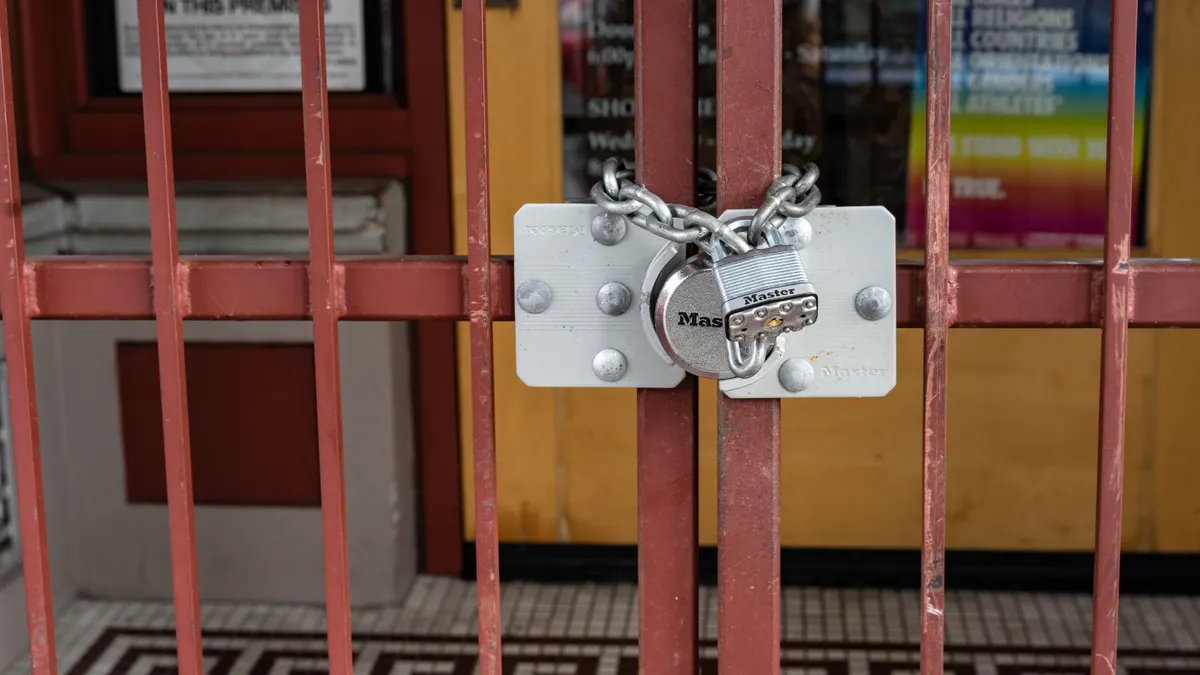
A credit freeze is the strongest default choice for most people because it blocks most lenders from pulling your credit file for new account applications unless you lift the freeze first. A fraud alert is useful when you want less friction and can tolerate lenders still being able to access your file after extra identity checks. Account monitoring is different: it does not stop fraud, but it can shorten the time between a bad charge, a strange login, or a new account appearing and the moment you notice it.
The important distinction is this: these tools solve different problems. A freeze stops many forms of new-credit fraud. A fraud alert tells lenders to be cautious. Monitoring helps you spot trouble after it starts.
That means the “best” choice is not one single product. It is the right combination for the threat you actually face. If your Social Security number was exposed in a breach, a freeze is usually the strongest baseline. If you are in the middle of applying for a mortgage, auto loan, or apartment and do not want to manage freeze lifts at every lender, a fraud alert is easier. If your debit card, bank login, or existing credit card is the real weak point, monitoring matters more than either alert.
According to the FTC, identity theft reports topped 1 million in 2023, and credit card fraud was the most common type reported. That is one reason these tools are discussed together: the risk is broad, and the response has to match the threat. The FTC’s identity theft guidance is here: https://consumer.ftc.gov/features/identity-theft. The CFPB’s freeze guide is here: https://www.consumerfinance.gov/consumer-tools/credit-reports-and-scores/answering-common-questions-about-credit-freezes/.
What a credit freeze actually does
A credit freeze is the strongest tool for stopping someone from opening new accounts in your name. When the freeze is active, most creditors cannot access your credit report to approve new credit, so a thief usually cannot sail through a card application, auto loan, or personal loan using your file.
The practical upside is obvious: a freeze is hard for identity thieves to get around. It is also free to place and remove at the major bureaus under federal law, and it can stay in place as long as you want. The FTC notes that consumers can place and lift freezes at Equifax, Experian, and TransUnion without paying a fee. That makes it a good default if you are not actively shopping for credit.
The downside is convenience. A freeze can slow down your own legitimate applications unless you temporarily lift it at the bureau or bureaus a lender uses. That matters most during a mortgage application, a refinance, a car lease, a new-cell-phone-financing offer, or a rental screening that checks credit. If you forget a lender needs access, the application can stall for hours or days.
A freeze is also not a cure-all, so if your concern is broader than new-account fraud, it helps to ask a professional or a consumer-protection specialist what else to lock down. It does not stop a criminal from using a stolen card number online, hijacking a bank login, filing a fraudulent tax return, or taking over an existing loyalty account. It is aimed at new-account fraud, not every form of identity misuse.
Who should use it: people who want the strongest broad protection and are willing to manage the occasional lift. Who should skip it: anyone who needs constant, frictionless access to credit checks, or anyone whose main threat is account takeover rather than new-credit fraud.
What a fraud alert actually does

A fraud alert is the lighter, lower-friction option. It tells lenders and creditors to take extra steps to verify your identity before opening new credit in your name. In plain terms, it asks for caution instead of blocking access outright.
The main benefit is convenience. A fraud alert is easier to live with than a freeze because it does not lock down your file the same way. For someone who is actively applying for credit, that can mean fewer delays and fewer bureau logins. It also works well if you want a visible warning on your file while you sort out a recent breach, a lost wallet, or suspicious activity you are still investigating.
The drawback is that it is weaker. Because it does not block access, a fraud alert depends on lenders actually following the warning and doing the extra verification. That makes it a speed bump, not a barrier. If your goal is to make new-account fraud dramatically harder, a fraud alert is not the strongest answer.
There are different alert types, and the details matter. A basic fraud alert is generally associated with a 1-year period, while an extended alert is longer and tied to a documented identity theft report. A separate active-duty alert exists for service members. The exact rules change over time, so it is smart to confirm the current terms with the FTC or the credit bureaus before you place one. If you are dealing with a reported breach or suspected identity theft, the FTC and CFPB are the safest starting points before you decide.
Who should use it: people who want a warning flag with less inconvenience than a freeze, especially during a short period of uncertainty. Who should skip it: people whose information is already circulating on the dark web and who want the strongest barrier against new-credit abuse.
Fraud alerts vs. credit freezes: which one wins in real life?
A credit freeze wins for protection; a fraud alert wins for convenience. That is the clearest possible split, and it is the one most generic guides blur.
Here is the practical difference in a way that matters at 8 p.m. when you are trying to apply for something:
| Criteria | Credit Freeze | Fraud Alert | Winner for this condition |
|---|---|---|---|
| Stops new-credit applications | Usually yes, unless lifted | No; it warns lenders instead | Freeze |
| Convenience for ongoing loan shopping | Lower; you may need temporary lifts | Higher; less friction | Fraud alert |
| Deters identity thieves | Stronger barrier | Weaker barrier | Freeze |
| Works well after a data breach | Yes, especially if new-account fraud is the concern | Yes, if you need a lighter touch first | Freeze |
| Helps if existing accounts are being taken over | Not directly | Not directly | Neither |
| Time spent managing it | More, because of lifts/unfreezes | Less | Fraud alert |
| Best for someone not applying for credit soon | Yes | Less necessary | Freeze |
| Best for someone applying for a mortgage this month | Possible, but annoying | Usually easier | Fraud alert |
| Strength against new-account fraud | High | Moderate | Freeze |
The honest conclusion is simple: if you want the stronger defense, the freeze wins. If you want a lighter warning while staying nimble, the fraud alert wins. The wrong move is treating them as interchangeable, so if the decision feels unclear, it is worth checking the FTC or a qualified consumer-protection professional before you act.
A generic article would stop there, but that misses the most expensive mistake: people often think either tool protects every aspect of identity theft. It does not. If your checking account is drained, your rewards points are stolen, or your email is compromised, neither tool fixes the root problem.
What account monitoring does that alerts cannot
Account monitoring is the tool that helps you notice fraud sooner, not the tool that prevents it. That distinction sounds small and costs people real money when they get it wrong.
Monitoring can include credit monitoring, bank-account alerts, card alerts, transaction notifications, dark-web scans, and login alerts. The value is speed. A text message about a charge you did not make can cut the time between the first bad transaction and your report to the bank. A notice of a new inquiry or a new account can tell you that someone has already started using your identity.
The main advantage is that monitoring covers the places freezes and fraud alerts do not. A freeze cannot tell you that a debit card number is being used at 2 a.m. A fraud alert cannot tell you that a lender already opened an account after tricking a call-center rep. Monitoring can catch those signals if the provider actually watches the right data sources.
The main weakness is that monitoring is reactive and uneven. Some services watch only credit files. Others watch only one bureau or only selected accounts. Some notify you after the damage is already underway. And some “monitoring” products bundle services that sound comprehensive but are thin in practice. A dark-web scan, for example, can tell you your email address appears in known breaches, but it cannot remove the exposure from the breach itself.
Who should use it: people who want alerts directly from their bank, credit card, and credit file, with settings turned on. If you are unsure what you need, ask a financial professional or a consumer-protection specialist which alerts your accounts support. Who should skip it: people who think a monitoring subscription replaces a freeze or a fraud alert. It does not.
The most useful setup is boring and effective: set transaction alerts, login alerts, and bureau alerts; review statements monthly; and place a freeze if you are not actively seeking new credit. That combination does more in 10 minutes of setup than a flashy identity-theft bundle does in a month of marketing.
How to choose based on your situation
Choose a credit freeze if your priority is stopping new-account fraud and you are not applying for major credit in the next few weeks. It is the best default for a person who wants the strongest practical barrier and does not mind lifting the freeze when needed.
Choose a fraud alert if you expect credit applications soon, want less friction, or need a temporary caution flag while you decide what happened after a breach. It is the better pick when convenience matters more than maximum obstruction.
Choose account monitoring if your concern is not just new accounts but also stolen card numbers, account takeovers, and suspicious activity on accounts you already use. It is the right companion tool, not the standalone solution.
Choose all three only if your exposure is broad and your life is organized enough to handle it. That combination makes sense after a confirmed identity-theft incident, a stolen wallet plus exposed SSN, or a breach involving both financial and login credentials. In that case, a freeze blocks new-credit abuse, a fraud alert adds another layer of caution, and monitoring helps you catch misuse faster.
Do not bother with a fraud alert alone if you can place a freeze without creating problems for an imminent application. A freeze is usually the cleaner, stronger answer.
Do not rely on monitoring alone if you are worried about loan applications in your name. Monitoring is not a lock on the door.
When the usual advice flips
The standard recommendation changes in a few specific cases.
First, if you are in the middle of a mortgage, refinance, auto loan, or apartment application, a fraud alert may be the better temporary choice because it creates less bureau friction. A freeze still works, but the administrative overhead of unfreezing and refreezing can be annoying enough to slow a time-sensitive application.
Second, if the problem is account takeover rather than new-credit fraud, neither a freeze nor a fraud alert solves the core issue. If someone has your email password, bank password, or card number, the right answer is account-level security: change passwords, enable multi-factor authentication, replace compromised cards, and set alerts. A credit tool alone is the wrong tool.
Third, if you have already confirmed identity theft and need the strongest barrier, the freeze becomes the clear first move. A fraud alert is not a substitute for a freeze in that situation, because the thief does not need to be blocked politely; the thief needs to be blocked.
Fourth, if you are trying to protect an older adult, a child, or someone with limited digital access, the decision may turn on who can manage the paperwork. A freeze is stronger, but only if someone can remember the login details and handle lifts. If that is unrealistic, a simpler fraud alert plus active monitoring on the accounts that matter may be more usable.
The rule is not “pick the strongest tool.” The rule is “pick the tool you can actually maintain.” A perfect freeze that gets forgotten is weaker than a modest setup a person checks every month.
The verdict: which one to choose and why
Choose a credit freeze if your main concern is someone opening new accounts in your name and you do not need immediate access to fresh credit checks. Choose a fraud alert if you need a lighter-touch warning while applying for credit or sorting out a recent scare. Neither if your real problem is a stolen debit card, hacked email, or account takeover; in that case, fix the compromised account first and add monitoring after.
That is the clean decision tree. Freeze for strongest protection. Fraud alert for lower friction. Monitoring for early warning and ongoing visibility.
The setup I would use in each case
A freeze-first setup is the best default for most adults with stable credit needs. Place freezes at the major bureaus, turn on bank and card alerts, and review reports on a regular cadence. The payoff is that new-credit fraud becomes much harder while existing-account monitoring still covers day-to-day risk.
A fraud-alert-first setup makes sense during active borrowing. Put the alert in place, keep all account notifications on, and revisit the choice once the loan or rental process is over. This is the better short-term compromise, not the stronger long-term shield.
A monitoring-heavy setup is the right fit when you have many active accounts, frequent card use, or a history of takeover attempts. Use alerts from the issuer, the bank, and your credit file, then keep your passwords unique and multi-factor authentication turned on wherever possible. Monitoring without strong passwords and authentication is half a plan.
The most common mistake is choosing one tool and acting as if the job is done. Identity protection works like layered locks: one on the credit file, one on the accounts, and one on the notification stream. Remove a layer and the system gets easier to break.
What most generic guides leave out
Most guides overpromise what these tools do and understate how much upkeep they require. A freeze is not “set and forget” if you plan to apply for credit. A fraud alert is not “good enough” if the threat is serious. Monitoring is not protection if you never read the alert.
Another missing detail is that the bureaus are not the only place to look. If you have a bank account, a card, a brokerage login, or a payment app, the issuer’s alert settings matter as much as your credit-file settings. A freeze does nothing to a Venmo, Cash App, or checking account login. A fraud alert does not stop someone from changing your email recovery address. Those are separate battlegrounds.
The final mistake is assuming all alerts are equal. Some are bureau-level, some are account-level, some are text messages, and some are marketing in a trench coat. The useful ones are the ones tied directly to activity that can cost you money: new inquiries, new accounts, card-not-present charges, password changes, and login attempts from unfamiliar devices.
If the goal is peace of mind, a freeze plus monitoring usually beats a fraud alert alone. If the goal is the least friction during active credit shopping, a fraud alert can be the better temporary move. That is the real answer, and it holds up better than any one-size-fits-all pitch.
Drafted with AI; not yet reviewed by a person.