Last updated: August 11, 2026
At hour one, the damage usually isn’t done yet — but the clock is already ugly. What happens next? The first 48 hours are for stopping fresh losses, the next few weeks are for untangling accounts and reports, and the months after that are about watching for repeat fraud. I write about consumer finance and fraud recovery, so I’ll lay out the identity theft recovery timeline in plain English: the traps, the decisions, and the parts that actually matter.
- The first 48 hours are for containment: change passwords, contact banks, freeze credit, and save records.
- FTC IdentityTheft.gov and CFPB credit-report dispute guidance are the core federal starting points.
- Simple card fraud can clear in days; new-account fraud, tax fraud, or court-related misuse can take months.
- Written disputes usually create a stronger paper trail than phone calls alone.
- When you’re unsure whether the problem is theft, freeze credit, secure accounts, and consider professional advice before escalating.
- The Real Identity Theft Recovery Timeline After You Report It
- What Happens in the First 48 Hours
- The Identity Theft Recovery Timeline for Your Credit Files
- The Honest Side-by-Side
- What Usually Happens in Weeks 2 Through 8
- When the Timeline Slows Down or Flips
- Our Verdict: Which One to Choose and Why
- FAQ
The Real Identity Theft Recovery Timeline After You Report It
There isn’t one neat sequence. Not really. Once identity theft is reported, the job usually unfolds in layers: containment first, then paperwork, then cleanup, then monitoring. I would not treat recovery as “file one report and wait.” It’s more like assembling a paper trail that banks, bureaus, and collectors have to accept.
Here is the order I’d expect:
- Same day to 48 hours: lock down access, report the theft, and stop the easiest fraud.
- First 3 to 7 days: get your FTC Identity Theft Report, place fraud alerts or freezes, and contact affected financial institutions.
- First 2 to 4 weeks: dispute fraudulent accounts and charges, replace compromised cards, and start written follow-up with creditors.
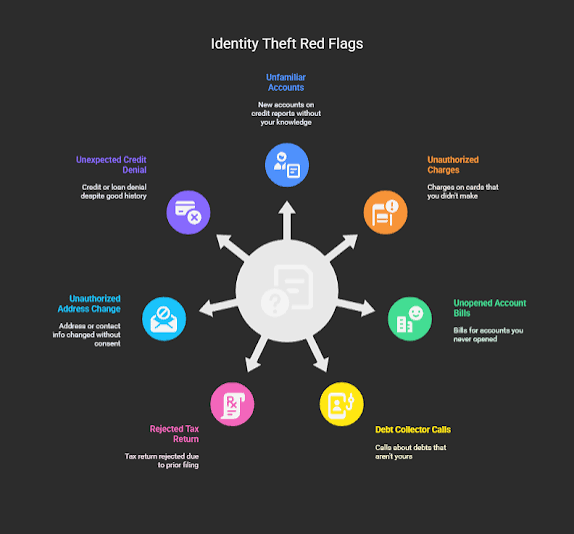
- First 1 to 3 months: watch for new collection notices, tax issues, and new accounts opened in your name.
- 6 months and beyond: keep monitoring credit and records, because some identity theft problems show up late.
Here’s the part generic advice often soft-pedals: the cleanup drags when the thief used your information for new-account fraud, tax fraud, or government benefits fraud. Those cases can take months to unwind. A stolen card number is one thing. A fake loan or tax return? Different beast.
For the official federal playbook, I would start with the FTC’s IdentityTheft.gov process and the Consumer Financial Protection Bureau’s guidance on disputing credit report errors. Both are worth reading directly: IdentityTheft.gov and CFPB on disputing credit report errors.
What Happens in the First 48 Hours
Those first 48 hours are about shrinking the thief’s reach. Fast. Most people underestimate this window. If I had to rank the first moves, I’d do them in this order: change passwords on the most sensitive accounts, contact your bank and card issuers, place a credit freeze with all three credit bureaus, and document everything.
Why this early stretch matters is simple: the longer the fraud stays live, the farther it spreads. A thief with email access can reset other passwords. A thief with a debit card can empty checking. A thief with your Social Security number can go hunting for new accounts while you’re still sorting papers.
Freezing credit first is the move I like. It blocks most new credit from being opened in your name until you lift it. That cuts off a lot of mischief. The trade-off is annoyance; you’ll need to unfreeze your file when you apply for credit, so you have to keep track of PINs or bureau accounts. Honestly, that’s a fair price for many people.
This stage is not for anyone hoping things will “settle down.” When you already know your information was used fraudulently, waiting hands the thief a head start. And calling just one bank is not enough. I’d assume every account touched by the breach needs attention, even if the fraud hasn’t shown up there yet.
Two sources I trust here are the FTC and the major credit bureaus’ fraud and freeze pages. Start with the FTC, though; it lays out the sequence cleanly. No fluff.
The Identity Theft Recovery Timeline for Your Credit Files
Your credit file usually becomes the center of the mess, because that is where fraudulent accounts, hard inquiries, and collection entries can surface. I’d expect the first disputes to go out within the first week if you already know which accounts are fake. When you don’t yet, pull your credit reports anyway and mark every unfamiliar item.
This is where people get discouraged. A dispute is not always fixed immediately, and that’s normal. Some errors vanish quickly; others take longer because the creditor has to investigate, verify, or fix its own records. Frustrating? Yes. A reason to stop? No. Keep copies of every letter, report, and case number.
A written dispute backed by your identity theft report is the strongest move here. It gives you a cleaner paper trail than phone calls alone. Calls can start the process, sure, but I wouldn’t make them the only record. When a collector keeps pushing a debt that isn’t yours, written notice matters.
And the cleanup can snowball. One fake account can turn into the wrong balance, then the wrong collection entry, then a score drop that looks like a bad joke. That can affect housing, insurance, and other applications that rely on credit checks.
If your identity theft involved a credit file issue, the CFPB’s guidance on disputing errors is the source I’d use to build the letters. With mixed files or repeated errors, consider help from a consumer law attorney or a HUD-approved housing counselor if housing is involved.
The Honest Side-by-Side
The two biggest paths after identity theft are self-managed recovery and professional help. I’m not talking about miracle services. I mean either you handle the recovery yourself, or you bring in a specialist such as a consumer attorney, tax professional, or credit repair/legal help where appropriate. For straightforward fraud, I’d lean self-managed. For tax, court, or stubborn collection trouble, I’d go the other way.
| Criteria | Self-Managed Recovery | Professional Help | Winner for [condition] |
|---|---|---|---|
| Speed to start | Fast if you are organized and the fraud is obvious | Slower at the start because you have to find and brief someone | Self-managed if immediate containment is the priority |
| Cost | Usually lower out of pocket | Can be costly depending on case complexity | Self-managed if the case is simple |
| Paper trail quality | Strong if you keep copies and send written disputes | Often stronger if the professional knows the right forms and sequence | Professional help for stubborn disputes |
| Tax fraud handling | Harder to navigate alone | Better when the theft affects returns or IRS records | Professional help for tax-related identity theft |
| Credit report cleanup | Very workable for obvious fraudulent accounts | Useful if bureaus or creditors keep missing the issue | Self-managed for a one-off fraud item |
| Collector harassment | You can stop some of it with dispute letters | Better if a collector keeps violating your rights | Professional help for repeated collection pressure |
| Emotional load | High, because you do everything yourself | Lower, because someone else handles some friction | Professional help if you are overwhelmed |
| Best fit | Clear, limited fraud with a small number of accounts | Complex cases with tax, court, or many creditors | Depends on case complexity |
The trade-off is control versus expertise. Self-managed recovery keeps you closer to the facts and costs less, but it takes discipline. Professional help can save time and cut down mistakes, though only when the case really calls for it. I wouldn’t pay outside fees just because the process feels scary. I’d pay when the wrong account could trigger real legal or tax damage.
What Usually Happens in Weeks 2 Through 8
This is the messy middle. The initial panic has passed, but the problem is still there. During this stretch, you’re usually waiting for creditors to finish investigations, watching for replacement cards, checking whether fraudulent charges were reversed, and answering follow-up requests for documents.
One mistake I see a lot: assuming one successful dispute means the case is over. It rarely is. Fake accounts can pop up later because a creditor sold the debt or because a collector bought stale information. I’d keep checking your credit reports and mail through this period.
You may also have to deal with non-credit fraud. That can mean a compromised email account, utility accounts opened in your name, medical billing errors, or benefits fraud. These take longer because different systems use different rules. Medical identity theft, especially, can be stubborn; billing offices and insurers don’t always talk fast enough.
Good records matter most here. I’d keep a simple log with the date, company name, person you spoke with, case number, and promised next step. Tedious? Absolutely. But it beats getting lost in a dead-end phone tree.
A lot of generic articles skip one real-world truth: recovery is often lopsided. One account may clear in a week; another may take months. That uneven pace does not mean you’re doing it wrong. It means the institutions involved are moving at different speeds.
When the Timeline Slows Down or Flips
Sometimes identity theft stops being a cleanup job and turns into a legal or administrative mess. When the thief filed a tax return in your name, used your Social Security number for employment, created medical records, or triggered a court case, the timeline changes. At that point, I’d stop thinking “credit repair” and start thinking “dispute, document, escalate.”
Here are the exception scenarios where the usual timeline flips:
- Tax identity theft: The IRS process can control the pace, and you may need identity verification steps that take time.
- New-account fraud with multiple creditors: One fraud event can branch into many separate disputes.
- Criminal or court-related misuse: When your name was used in an arrest, summons, or case record, the cleanup can become jurisdiction-specific.
- Medical identity theft: It may take longer because providers, insurers, and billing systems all have to correct records.
These are the situations where I’d think about professional help sooner rather than later. Yes, there’s a cost, and you may still do some of the legwork yourself. But one well-aimed letter or filing can save months of confusion. Sometimes the right move is annoyingly simple. That’s life.
If you are dealing with tax issues, the IRS’s identity theft guidance is the page I would read first. It is also worth keeping the FTC report handy because many other institutions ask for proof that you reported the theft.
Our Verdict: Which One to Choose and Why
Choose self-managed recovery if the identity theft is limited to a few credit cards, a bank account, or a small number of obvious fraudulent charges, and you can stay organized. Choose professional help if the theft reached your taxes, court records, medical files, or a long trail of collectors and disputed debts. If you’re still unsure whether it was theft at all, freeze your credit, secure your accounts, and consider checking with a consumer attorney, tax professional, or other qualified professional before you pick a path.
That’s the call I’d make. Straightforward fraud is manageable for a careful person with a good paper trail. Complex fraud punishes hesitation. The deciding factor is not how upsetting the event feels; it’s how many systems the thief touched.
When you’re trying to decide today, I’d ask one question: can you name every compromised account and every false entry already? If yes, you can probably drive the process yourself. If no, or if the list keeps growing, bring in help.
FAQ
How long does identity theft recovery usually take?
It can take days for simple card fraud and months for more complex cases. Tax fraud, new-account fraud, and collection disputes take longer than a canceled card number.
Should I freeze my credit or just place a fraud alert?
If you know your identity was stolen, I would choose a credit freeze first because it is stronger protection against new accounts. A fraud alert can still help, but it is less restrictive.
Do I need to report identity theft to the police?
Sometimes yes, especially if a creditor or collector asks for a police report, or if the fraud is serious and you need stronger documentation. Check local requirements and consider legal advice if the case is large.
Will reporting identity theft fix my credit immediately?
No. It helps create the record that lets you dispute fraud, but corrections still depend on each creditor, bureau, or agency investigating and updating its files.
What should I keep after I report identity theft?
Keep copies of your FTC report, dispute letters, mail, email, case numbers, account notes, and any evidence showing which charges or accounts are not yours.