Last updated: August 11, 2026
- Quick Answer: In 2023, the FTC said identity theft affected 1.1 million people in the U.S.
- For anyone searching for what is identity theft?
- It shows up in different forms, and the fallout depends on what the thief does.
- For adults, the hardest part is often proving what is yours and what is not.
Quick Answer: In 2023, the FTC said identity theft affected 1.1 million people in the U.S. Someone uses your personal information to pretend to be you. Simple enough? Not really. For anyone searching for what is identity theft? simple guide adults seniors, the plain answer is this: money can disappear, credit can take a hit, and fixing the mess may drag on for months.
Key Facts
– Identity theft can involve a name, Social Security number, Medicare number, bank details, or passwords.
– The FTC’s IdentityTheft.gov is the main U.S. recovery site.
– A credit freeze can block new credit until you lift it.
– A fraud alert tells lenders to verify your identity before opening credit.
– If you cannot monitor accounts or you do not have trusted help, consult your bank, a tax professional, or a licensed financial adviser.
– If you see account takeover signs, act the same day.
Identity theft happens when someone uses your personal information — maybe your name, Social Security number, bank details, Medicare number, or passwords — to pass as you and act in your name. Not a “computer problem.” A real-world one. It can drain money, trash credit, and create cleanup that takes time to untangle. For adults and seniors, the threat is immediate and practical.
I write about consumer protection and financial safety, and I focus on advice people can actually use when a scam or mistake turns into a headache.
What Identity Theft Really Means
The theft starts once a person has enough of your information to impersonate you. That might mean opening a credit card, filing a tax return, logging into your email, changing your address with a bank, or using your Medicare number to get medical care or supplies.
One thing gets missed a lot: identity theft is not a single crime. It shows up in different forms, and the fallout depends on what the thief does. Ugly. Fast.
Here are the most common types:
- Financial identity theft: Someone opens accounts, takes out loans, or drains existing accounts in your name.
- Medical identity theft: Someone uses your health insurance or Medicare information for services, prescriptions, or claims.
- Tax identity theft: Someone files a tax return using your information to claim a refund before you do.
- Government benefits theft: Someone uses your details to collect benefits, unemployment, or other aid.
- Account takeover: Someone gets into an existing account, changes the password, and locks you out.
A generic article often stops there. That is not enough. Adults and seniors need the difference between a stolen card number and a stolen identity, because those are not the same headache. A stolen card can be canceled; a stolen identity can keep spawning new trouble because the thief is using your personal records, not just one account.
For the clearest official overview, I would start with the Federal Trade Commission’s identity theft guidance at IdentityTheft.gov and the Social Security Administration’s advice on protecting your number from misuse. You can also review the FTC’s consumer advice on reporting fraud and the SSA’s page on protecting your Social Security number.
How Identity Theft Usually Starts
Most identity theft does not begin with a dramatic “hack.” It starts with something ordinary going sideways.
A thief may get your information through:
- Phishing emails or texts
- Fake calls pretending to be your bank, Medicare, or the IRS
- Mail theft
- Data breaches
- Lost wallets, checkbooks, or paperwork
- Weak passwords reused across accounts
- Scams that trick you into sharing a code sent to your phone
Seniors are often targeted because scammers know they may trust a caller who sounds official or act quickly when a message mentions benefits, medical coverage, or a frozen account. Adults in the workforce get hit too, especially through payroll, email, and account recovery scams.
The mistake is thinking, “I’d never fall for that.” Identity thieves do not depend on stupidity. They count on distraction, urgency, fear, and habit. A note that says “your account will be closed today” can shove people into action before they think.
One detail matters: not every stolen piece of data creates identity theft by itself. But a few small leaks can stack up quickly. A name, birth date, address, phone number, and the last four digits of a Social Security number may be enough for a thief to start opening doors.
Identity Theft Signs Adults and Seniors Should Watch For
This is the part I wish more guides put near the top. Catch identity theft early, and the cleanup is usually smaller.
Watch for these warning signs:
- Bills or collection letters for accounts you did not open
- Bank withdrawals or card charges you do not recognize
- New credit inquiries you did not approve
- Mail that stops arriving, especially from banks or Medicare
- A tax notice saying a return was already filed
- Calls about medical bills for services you never used
- Password reset emails you did not request
- A credit card being declined for no clear reason
- Your address or phone number changing on an account without permission
Seniors should keep an eye on Medicare-related letters, Explanation of Benefits statements, and any medical bill they did not expect. Adults should watch payroll records, retirement accounts, and email recovery messages, since thieves often use email to reset everything else.
There is a quieter clue too: being locked out of your own accounts. Should your bank say your password changed or your two-factor code suddenly does not work, treat it as a security problem immediately. If that happens, consult your bank or a licensed financial adviser, because account takeover can spread fast.
Not sure whether it is identity theft or just a billing mistake? Do not wait. Call the company directly using the number from your statement or the back of your card, not a number from a text or email.
What To Do Right Away If You Think It Happened
If I had to give one practical rule, it would be this: move fast, but do it in the right order.
Start here:
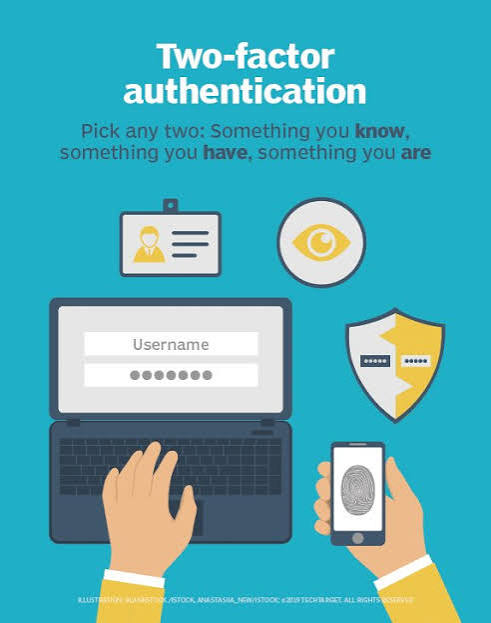
- Freeze the damage. Change passwords for email, bank, and shopping accounts. If you can, turn on multi-factor authentication.
- Call the affected institution. Report the fraud to the bank, card issuer, health plan, or government office.
- Place a fraud alert or credit freeze. A fraud alert tells lenders to verify your identity. A credit freeze blocks new credit in your name until you lift it.
- Check your credit reports. Look for accounts, inquiries, or addresses you do not recognize.
- File an identity theft report. In the U.S., the FTC’s site can help you create a recovery plan and report.
- Save everything. Keep dates, names, call notes, screenshots, and letters in one folder.
- Contact the right agency for the type of theft. If it involves taxes, the IRS has identity theft steps. If it involves Medicare, call Medicare and review claims.
For adults, the hardest part is often proving what is yours and what is not. For seniors, the hardest part may be handling calls, letters, and forms while someone else is still trying to use the stolen information. When that is your situation, ask a trusted family member or caregiver to help organize paperwork, but keep control of account decisions. If the situation is active or confusing, consult the FTC, your bank, or a qualified professional.
I’d also suggest one simple habit: write down the exact date you noticed the problem. That date matters when you are tracing the first false charge or account opening.
How Identity Theft Affects Adults and Seniors Differently
The crime is the same. The fallout is not.
Working adults often get hit in income and everyday logistics. A thief may mess with direct deposit, payroll access, tax filings, online banking, or credit used for renting an apartment or financing a car. The result is missed payments, frozen accounts, and long calls during business hours while the victim is still trying to work.
For seniors, the damage often spreads into health care and fixed-income finances. Medicare fraud can create confusing bills and records. Someone may use a senior’s identity to get prescriptions or medical services, then the real Medicare beneficiary gets stuck sorting out claims they never made. Seniors may also be more exposed to phone scams and pressure tactics because criminals know they may answer unknown calls or respond to “urgent” notices.
There is another difference: recovery can be harder when the victim does not use online banking or email every day. Fraud may sit unnoticed longer. That delay matters. The sooner you catch it, the fewer accounts the thief can touch.
The honest trade-off here is simple: prevention takes effort. A credit freeze, strong passwords, and careful monitoring all help, but they also add friction. You may need to lift a freeze when applying for credit, and you may need to use a password manager to keep everything straight. Annoying? Sure. Usually worth it.
The Honest Side-by-Side: Identity Theft vs. Credit Card Fraud
People mix these up all the time, and the difference matters because the response is different.
| Criteria | Identity Theft | Credit Card Fraud | Winner for this condition |
|---|---|---|---|
| What is stolen | Your personal information or account access | One card number or card account | Credit card fraud for a single-card problem |
| How long the damage can last | Can keep spreading to new accounts and records | Usually stops once the card is canceled | Credit card fraud for contained damage |
| Typical examples | Fake loans, tax filings, medical claims, account takeovers | Unauthorized charges on one card | Identity theft for broader misuse |
| Best first response | Freeze credit, report theft, secure accounts, document everything | Call the card issuer and dispute the charges | Tied, but the process is broader for identity theft |
| Credit impact | Can be severe if new accounts are opened | Usually limited if reported quickly | Credit card fraud for faster containment |
| Risk to medical or tax records | Yes | No, usually not | Credit card fraud for narrow scope |
| Time to clean up | Often longer and more complicated | Usually shorter | Credit card fraud for simplicity |
| Common age group impact | Adults and seniors both, with seniors often hit through Medicare or benefits scams | Anyone with a payment card | Identity theft for broader life impact |
This table matters because many people think, “Someone used my card, so that’s identity theft.” Sometimes it is not. If only one card number was used, you may be dealing with card fraud, not full identity theft. If your personal data is being used to open new accounts or access records, that is identity theft. Unsure? Consult the card issuer or FTC guidance before you label it.
My Verdict: What Adults and Seniors Should Focus On First
Choose identity theft protection habits if you want to prevent the kind of damage that spreads beyond one card or one account. Choose simple card-fraud cleanup if the issue is limited to one payment card and the issuer already canceled it. If you cannot monitor accounts at all and you have no trusted help, consult your bank, a tax professional, or a licensed financial adviser before you decide on the next step.
My recommendation is straightforward: start with prevention that blocks the biggest damage. For most adults and seniors, that means a credit freeze, strong unique passwords, and alert monitoring on bank and credit accounts. If you already have a theft problem, the order should be: secure access, report the theft, then document every step. If the theft involves email, secure email first, then move to the rest of your accounts. If the problem is active, get help from your bank or a qualified professional.
I would not chase every possible protective service before doing the basics. Some paid identity protection products promise a lot but still cannot stop a thief who already has your password or your Social Security number. The real protection comes from locking down the accounts that matter and catching misuse early.
The people who benefit most from a cautious, organized approach are:
– Adults with multiple online accounts and auto-pay setup
– Seniors using Medicare, online banking, or retirement accounts
– Anyone who has already been warned about a data breach
– People who manage finances for a parent, spouse, or relative
The people who should be more selective are:
– Those who rarely use credit and do not want unnecessary monitoring services
– People who cannot keep up with alerts and paperwork unless someone helps them
– Anyone who is not ready to change passwords and review statements regularly
If you remember one thing, make it this: identity theft is not about one stolen number. It is about someone using your identity to create new problems in your name.
When to Reconsider Your Security Plan Entirely
Sometimes the right move is not to “do more monitoring.” It is to change the setup.
Reconsider your approach if:
- Your email account is the weak link. If someone gets into email, they can reset almost everything else. Secure email first.
- You reuse passwords. One breach can turn into many account takeovers.
- You share devices or accounts too loosely. Family convenience can become a security hole.
- You are helping an older relative who cannot track alerts. A simpler system may work better than a dozen notifications they will ignore.
- You already saw one sign of fraud. A single false account or claim is enough reason to freeze credit and review everything.
I also think people should revisit their setup after any major life change: a move, a new caregiver, a death in the family, retirement, or a change in banking. Those moments are when paperwork gets lost and scam artists become more convincing.
Common Mistakes That Make Identity Theft Worse
The most damaging mistakes are usually small:
- Waiting to see if the problem goes away
- Using the same password on multiple accounts
- Responding to a caller who says they are from “fraud protection”
- Ignoring mail because it looks confusing
- Throwing away bank or medical papers without shredding them
- Telling a scammer personal details just to “prove” your identity
The biggest mistake of all is believing you must solve it alone. If the theft involves money, credit, taxes, or medical records, a professional such as your bank’s fraud department, a tax professional, or a licensed financial adviser can help you sort the steps. If the issue is legal or severe, get advice from a qualified professional in your area.
FAQ
Is identity theft the same as fraud?
No. Fraud is the broader term, while identity theft is a type of fraud that uses someone else’s personal information. The FTC explains the difference in its consumer guidance, and if a case is active, you should consult the relevant institution or a qualified professional.