Last updated: November 05, 2026
Key Takeaways
- Lock the mailbox first so bills, checks, and statements are harder to grab.
- Cut the time mail sits outside and secure outgoing letters.
- Sort documents by risk, then lock, keep, or shred them.
- Shred personal or financial papers you no longer need.
Home mail and paper documents are easy targets because they sit still, travel through shared systems, and often contain enough personal data to be useful on their own. The fix for How to Secure Your Home Mail and Documents is not one trick; it is a small system: stop exposed mail from piling up, lock down delivery and pickup points, shred what should not be kept, and store the rest where a quick grab becomes difficult. For guidance on mail security and identity theft prevention, see the U.S. Postal Inspection Service and the FTC’s identity theft resources: https://www.uspis.gov/ and https://www.identitytheft.gov/.
Secure the mailbox first so mail is not exposed
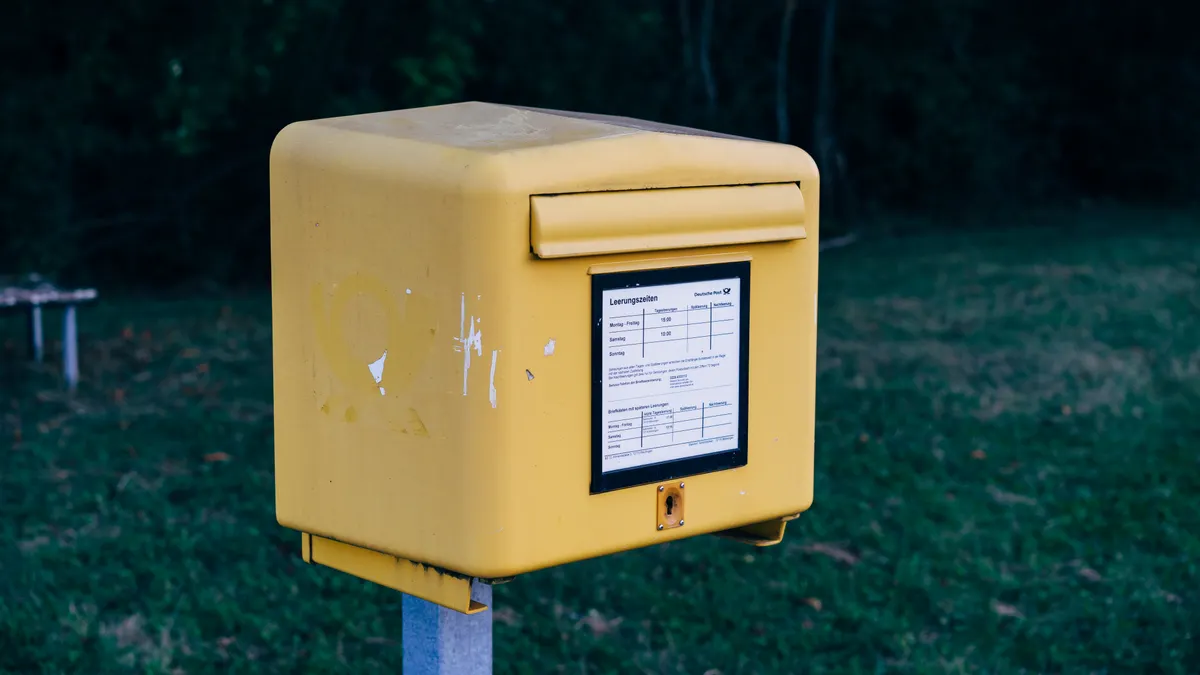
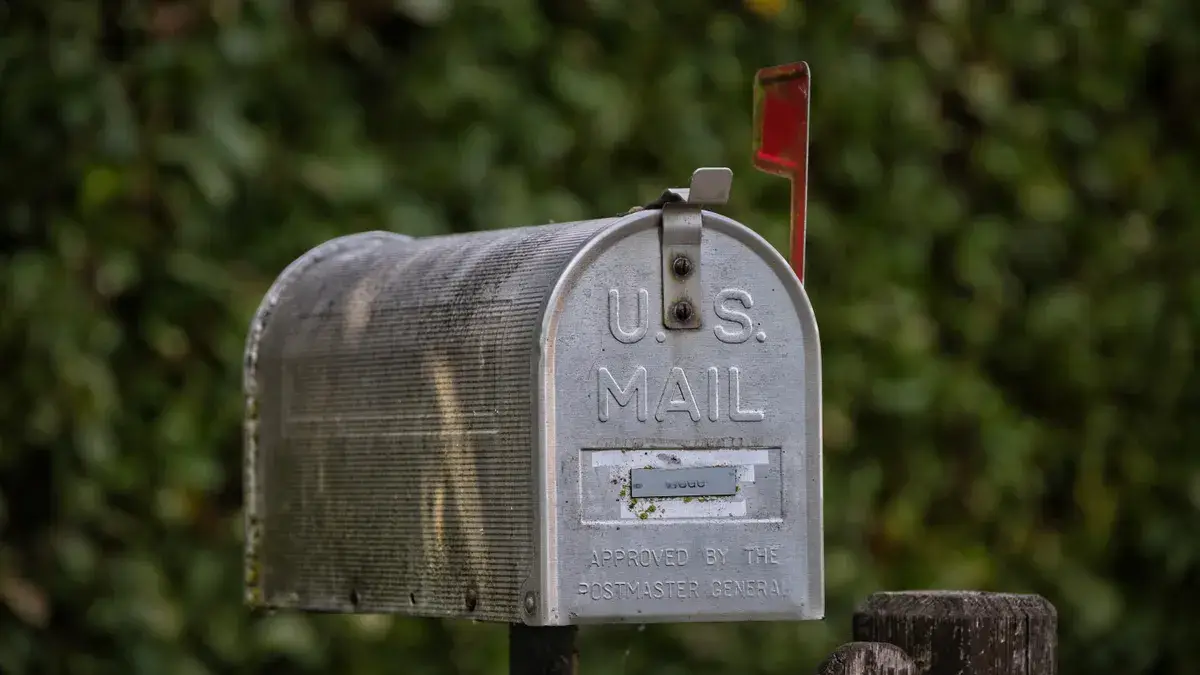
Secure the mailbox first, because a weak box is the easiest place for someone to lift bills, offers, checks, and account statements before they ever reach the house. Start with the mailbox you already use and the route the carrier follows, then change the parts that invite casual theft.
- Check where the mail sits now. If incoming mail lands in an open curbside box, a door slot, or a tray visible from the street, that is the weak point. A person should be able to tell at a glance whether mail is exposed.
- Replace a flimsy box with a locking model or a delivery lockbox. Look for a metal mailbox with a keyed compartment or a lockable package/mailbox unit sized for your regular deliveries. The result you want is simple: mail drops in, but only you can remove it with a key.
- Anchor the box or enclosure. A loose box can be carried off or tampered with. A fixed post, bolted wall mount, or anchored parcel box makes forced removal harder and noisier.
- Keep the opening small enough that fingers cannot reach through. If a hand can reach in, so can someone else’s hand or a tool.
- Move the box to a more visible spot if you can. A mailbox near a front entrance, light, or window is less convenient for a thief than one hidden behind a hedge or side gate.
A good mailbox setup does not need to be expensive, but it does need to be annoying to bypass. The downside of a locking box is convenience: if family members lose keys or forget to lock the compartment after pickup, the protection disappears. For homes with high-volume parcel delivery, a larger delivery lockbox may be the better trade-off than a small locked mail slot.
For broader personal-data hygiene, this page fits under the larger hub on identity exposure and personal data hygiene.
How do I prevent mail theft at home?
You prevent mail theft at home by shortening the time mail sits outside and by making outgoing mail harder to grab. The goal is not perfect secrecy; it is to remove easy opportunities.
- Bring mail in the same day it arrives. A full box tells strangers exactly when you are away or distracted. Even a 2-hour delay can be enough for a drive-by theft.
- Stop mail delivery when you will be away for several days. A hold at the post office is better than letting envelopes stack up in the box or on the porch.
- Install porch lighting or motion lighting near the delivery point. Thieves prefer dark, quick access. Light does not stop every theft, but it raises the chance of being seen.
- Use a lockable outgoing mail spot or hand outgoing letters to the carrier or post office. Loose stamped envelopes left in an open box are easy to take.
- Do not leave packages sitting with the mail. A delivery lockbox helps because it separates letters from boxes and makes the whole landing zone less predictable.
A common mistake is assuming “nothing important is in there today.” Junk mail still reveals names, household patterns, and account relationships. Another mistake is letting the box overflow. Overflow signals absence and makes later mail fall onto the ground, where anyone can scoop it up. If you cannot reliably collect mail daily, a locked delivery box or a redirected delivery point is the better option.
Sort paper documents by risk before you store or shred them
Sort paper documents by risk first, because not every page needs the same treatment. The difference between a grocery receipt and a tax return copy is not subtle, and treating them the same either wastes space or leaves sensitive records too exposed. If you are unsure how to classify a document, consult a professional.
Use three piles: keep locked, keep accessible, and shred now.
- Keep locked: papers with full names plus account numbers, Social Security numbers, medical details, bank information, signatures, passports, deeds, titles, tax returns, and insurance claim paperwork. These should go into locked storage, not an open file tray.
- Keep accessible: current bills, appointment letters, school forms, or other papers you need within the next few weeks but that do not expose much on their own. A labeled folder in a drawer is usually enough.
- Shred now: anything that no longer serves a clear purpose and still shows personal details. That includes old bank statements, preapproved offers, expired cards, discarded travel documents, and printouts with account or identity details.
The most useful rule is simple: if the paper can help someone impersonate you, it belongs either in locked storage or in the shredder. If it is only a reminder or a temporary working sheet, it can stay in the accessible pile for a short time.
The drawback of over-saving is clutter, and clutter becomes security risk because sensitive pages get mixed with junk. The drawback of over-shredding is that you may destroy records you still need. A good compromise is to keep only what you actually use and remove the rest on a schedule, such as once a month. If a paper might matter for a dispute, refund, or tax question, do not shred it until you are sure you no longer need it. If the classification is unclear, consult a professional before destroying the record.
What papers should I shred instead of throw away?
You should shred papers that contain personal, financial, or account details that no longer need to be kept. Throwing them in the trash leaves them readable to anyone who sifts through garbage, even if the envelope looks plain.
Shred these first:
- Bank statements and credit card statements you no longer need
- Insurance forms with policy, claim, or ID details
- Old tax worksheets and supporting documents that are no longer needed for your records
- Mail with account numbers, barcodes, or payment information
- Preapproved credit offers and application mailers with your name and address
- Expired IDs, cards, or labels that show full identifying details
- Shipping labels that reveal addresses, tracking numbers, or purchase patterns
- Notes or drafts that contain signatures, birthdates, or account logins written on paper
Use a cross-cut shredder if you want smaller strips or confetti-like pieces; a strip-cut machine leaves longer pieces that are easier to reconstruct. If the shredder jams often, people usually stop using it. That creates a larger problem than the shredder itself, because unshredded paperwork accumulates in piles.
Do not shred only the top page and toss the rest. Stapled packets, carbon copies, and folded inserts can hide the details you meant to destroy. Remove clips and fold-outs before shredding so the entire record is actually unusable. If you have a large volume of old records, split the job into 10-minute sessions rather than trying to clear everything at once; that is usually how a task gets finished instead of postponed for months.
Store sensitive documents in a lockbox, not just a neat stack
Store sensitive documents in a lockbox, because a tidy stack on a shelf is still easy to take. A proper lockbox, small safe, or locked file cabinet turns a quick grab into a search, which is usually enough to deter casual theft.
- Choose a container with a real lock, not just a latch. A keyed lock, combination lock, or integrated safe lock is better than a decorative box.
- Put the container in a low-visibility spot. A closet shelf, interior cabinet, or bedroom drawer inside a larger locked room is harder to find than a box in plain sight.
- Group papers by type inside folders. Keep deeds, titles, tax files, insurance records, and passports separated so you can reach the right item without exposing everything else.
- Limit duplicates. Every extra copy is another thing to secure. Keep one working copy and move obsolete versions out of circulation.
- Check the container after use. The habit that matters is closing and relocking it every time, not once a week.
A lockbox is useful for documents you need to protect from casual access, but it is not the right answer for everything. Oversized files, bulk statement archives, and fragile originals may need a file cabinet or fire-resistant safe instead. The trade-off is space: a small lockbox is easier to hide, while a larger cabinet is easier to organize. If you keep only a handful of needed originals, a compact lockbox is usually enough. If you are storing decades of paper, you need a bigger system.
Do not store the key in the same drawer as the documents. That defeats the point. Keep the key separate and memorable, or use a combination you will not write on a sticky note attached to the box.
Handle outgoing mail so it does not advertise what is inside
Handle outgoing mail so it does not advertise what is inside, because envelopes in an opened box can be stolen before they leave the property. Outgoing mail deserves the same attention as incoming mail, especially if it includes checks or anything with your address and account details.
- Mail outgoing letters as close to pickup time as possible. If you can, hand them to the carrier or drop them at a post office rather than leaving them exposed overnight.
- Use opaque envelopes for sensitive items. Clear windows and thin paper can reveal more than you think when held to light or opened and resealed.
- Do not mark envelopes with anything that hints at value. Labels, notes, or visible paperwork saying “invoice,” “urgent,” or “statement” invite attention.
- Keep return-address labels accurate but minimal. A correct address is necessary; extra details are not.
- Separate outgoing checks from ordinary mail. If your checks are already sealed, keep them that way until the last possible moment.
A common mistake is leaving a stack of stamped envelopes in the kitchen or by the door for “later.” That habit makes theft easier and increases the chance that one envelope gets mixed with junk. Another mistake is using a mailbox that is secure for incoming mail but easy to reach on the outgoing side. If the front slot is open, the box is not really secure for either direction.
When a delivery lockbox makes sense, and when it does not
A delivery lockbox makes sense when packages and postal mail sit outside long enough to be noticed, or when your mailbox area is visible from the street. A larger lockable unit can protect both letters and parcels better than a standard curbside box, especially in homes with routine daytime deliveries.
The basic advantage is physical delay. A thief wants speed. A locked compartment forces a pause, a tool, or a visible attempt to open it. That changes the risk. The main drawback is size and cost: delivery lockboxes take space, may need mounting, and can be awkward if your household gets irregularly sized packages. A very small box solves only the letter problem, not parcels.
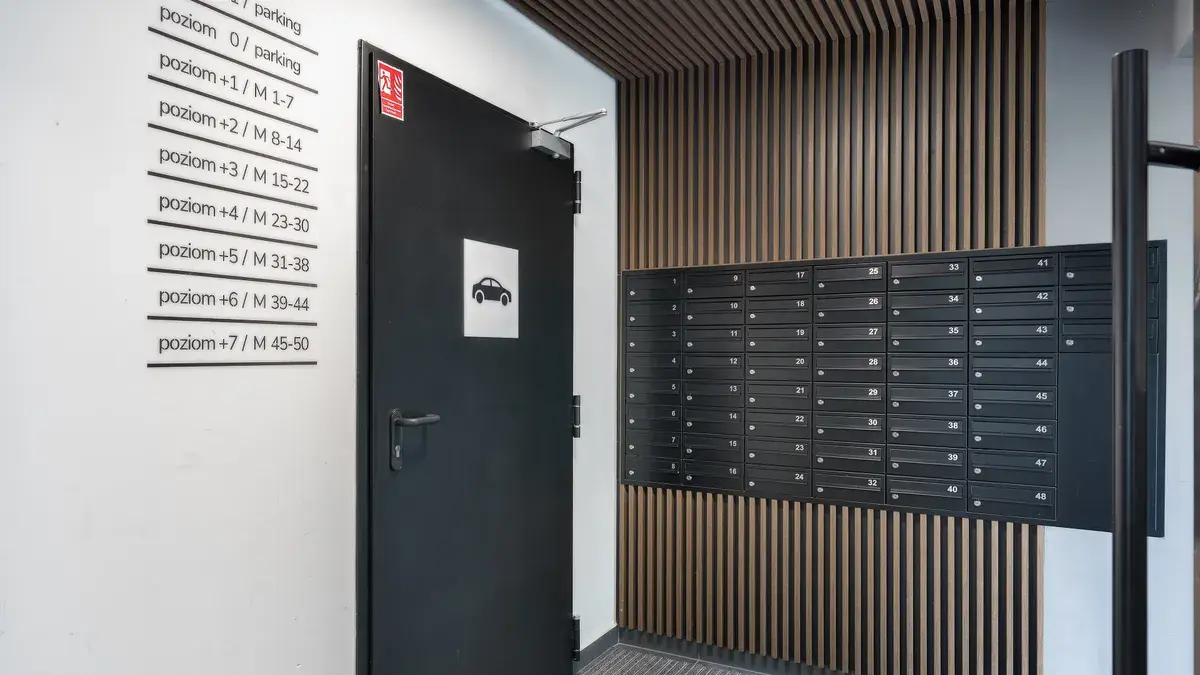
This option is not for every home. If you live in a building with secure mailrooms, staffed reception, or controlled access, a home delivery lockbox may add little. If your mail already arrives in a secure lobby, the better move is to improve what happens after pickup: same-day collection, shredding, and locked storage. A lockbox is also less useful if family members routinely leave keys lying around or if the box is installed where anyone can watch how it opens.
For homes that do need one, the best setup is boring: a visible but not exposed location, a keyed or combination lock, and a habit of emptying it promptly. The box works only if it is treated as part of a routine, not as a one-time purchase.
How do I prevent mail theft at home?
You prevent mail theft at home by reducing the time mail sits outside and making the mailbox harder to use without permission. Collect incoming mail quickly, hold delivery when you are away, keep outgoing letters out of sight, and use a locking mailbox or delivery lockbox if your current setup is exposed. A visible, fixed box is much harder to exploit than an open curbside slot.
What papers should I shred instead of throw away?
You should shred papers that show financial, identity, or account details and are no longer needed. Old statements, preapproved offers, shipping labels, expired cards, and forms with signatures or account numbers belong in the shredder. If a page could help someone impersonate you, throw it away only after shredding it.
How should I store sensitive documents?
You should store sensitive documents in a locked container, not on an open shelf or in a neat pile. A lockbox, safe, or locked file cabinet is best for originals like deeds, titles, passports, tax records, and insurance papers. Keep folders separated inside the container so you can find what you need without exposing everything else.
Is a locked mailbox worth it?
A locked mailbox is worth it when mail is visible, unattended, or easy to reach. It adds a physical barrier that slows theft and makes casual grabbing less likely. It is less useful in homes with secure mailrooms or constant supervision, and it will not help much if the box is poorly placed or left opened.
Drafted with AI; not yet reviewed by a person.